Route 11 is an historic road – one of the oldest in America – that was literally a beaten path used by Native Americans for trading. Later, it led German and Scots-Irish families from Pennsylvania to settle in the Valley. Those settlers built stone farmhouses and mills – some that can still be seen today. Prior to the presidency, a young George Washington surveyed the lands, and a hundred years later, those fertile fields earned the Shenandoah Valley the moniker “Breadbasket of the Confederacy.”
History is easy to see in the Shenandoah Valley with at least nine destinations that show and tell the stories of the past. From settlement to battlefields, set out to discover the foundations of the Shenandoah Valley.

Frontier Culture Museum. Photo by Sam Dean and courtesy of Virginia Tourism Corporation.
Frontier Culture Museum | Staunton
The Old World is on display in Virginia’s 200-acre open-air Frontier Culture Museum with real buildings from England, Ireland, and Germany open for exploration. Set up as homesteads, reenactors demonstrate life in the “home” countries prior to settlement in the New World. Additionally, the West African Igbo farm is a stark reminder that many who arrived in the Valley did not do so by choice.
In the New World section, you’ll encounter an Eastern Woodlands Indian Village, a 1740s settlement, and farms from the 1820s and 1850s, as well as a schoolhouse and an African American church. When you walk the museum in order, you can see where “we” came from and how traditions and cultures blended to create who we are.
Waynesboro Heritage Museum | Waynesboro
Waynesboro is an industrial town, and that history is told through permanent galleries at the Waynesboro Heritage Museum. Learn about the “lost town” of Basic City – a boom-era locale that essentially merged with Waynesboro in 1923. Or the history of education in Waynesboro, including the Rosenwald School – one of many across the country that helped advance black education. While you’re at it, make a stop at the Plumb House to see their Civil War exhibit.
Rocktown History Museum | Dayton
Just south of Harrisonburg is Dayton, where you’ll find the Rocktown History Museum. “Rocktown” was an early nickname of Harrisonburg, but they’ll tell you about that when you get there. Items on display range from folk art to local baseball, and of course, the Civil War. The battle flag of the 10th Virginia Infantry is in their collection.
The Museum operates under the guidance of the Harrisonburg-Rockingham Historical Society – one of the most extensive history and genealogical libraries in the Shenandoah Valley. If you’re researching Valley ancestry, this is a definite stop to advance your research.
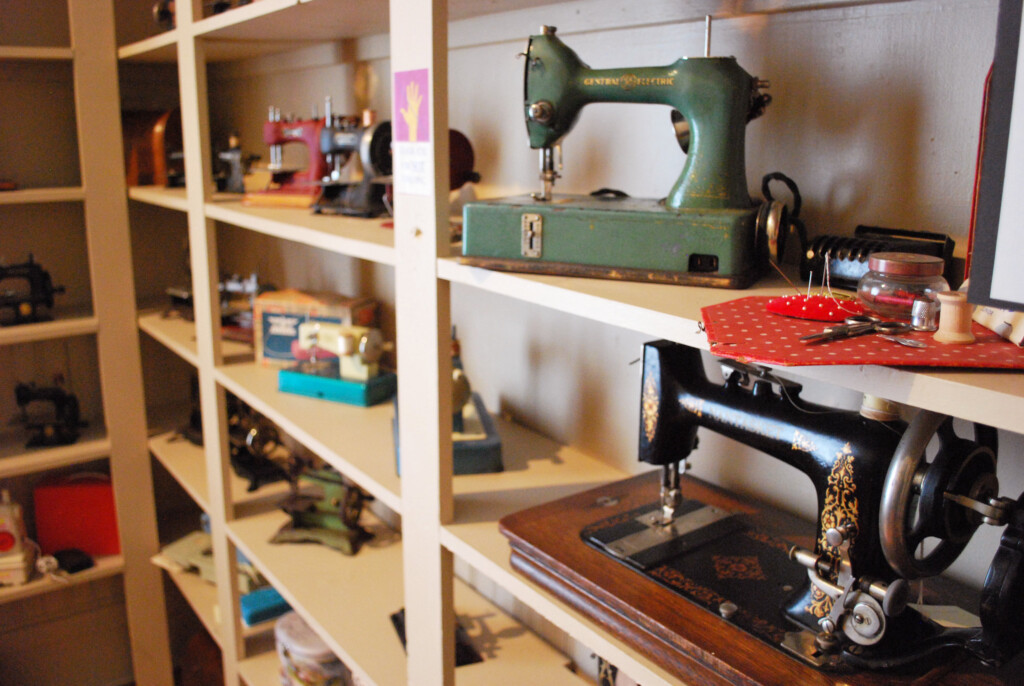
Virginia Quilt Museum. Courtesy of Virginia Tourism Corporation.
Virginia Quilt Museum | Dayton
Tucked inside the historic Silver Lake Mill and not far from Rocktown History Museum is the Virginia Quilt Museum. It’s a fitting locale with the mill’s original date as 1822 (it suffered a few fires before and during the Civil War), and some of the quilts just as old and even older. More than 300 Virginia-made quilts are in the collection, and they rotate through about 9,000 square feet of gallery space.
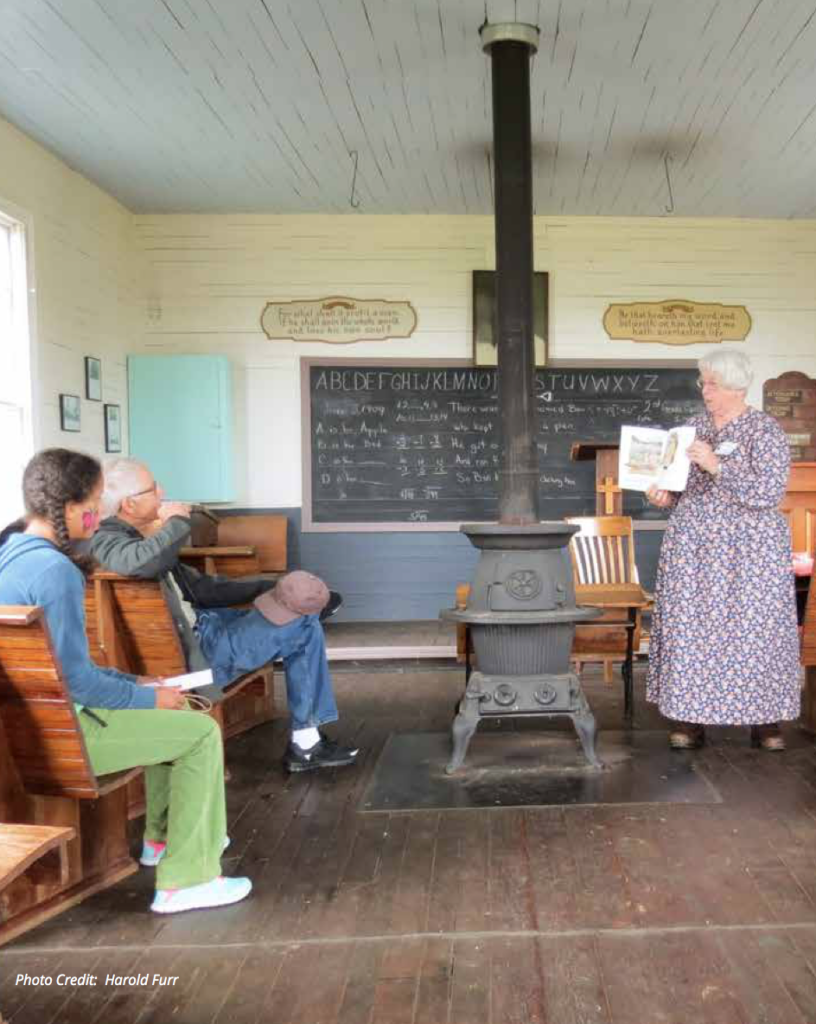
Brethren and Mennonite Heritage Center. Photo by Harold Furr.
Brethren & Mennonite Heritage Center | Harrisonburg
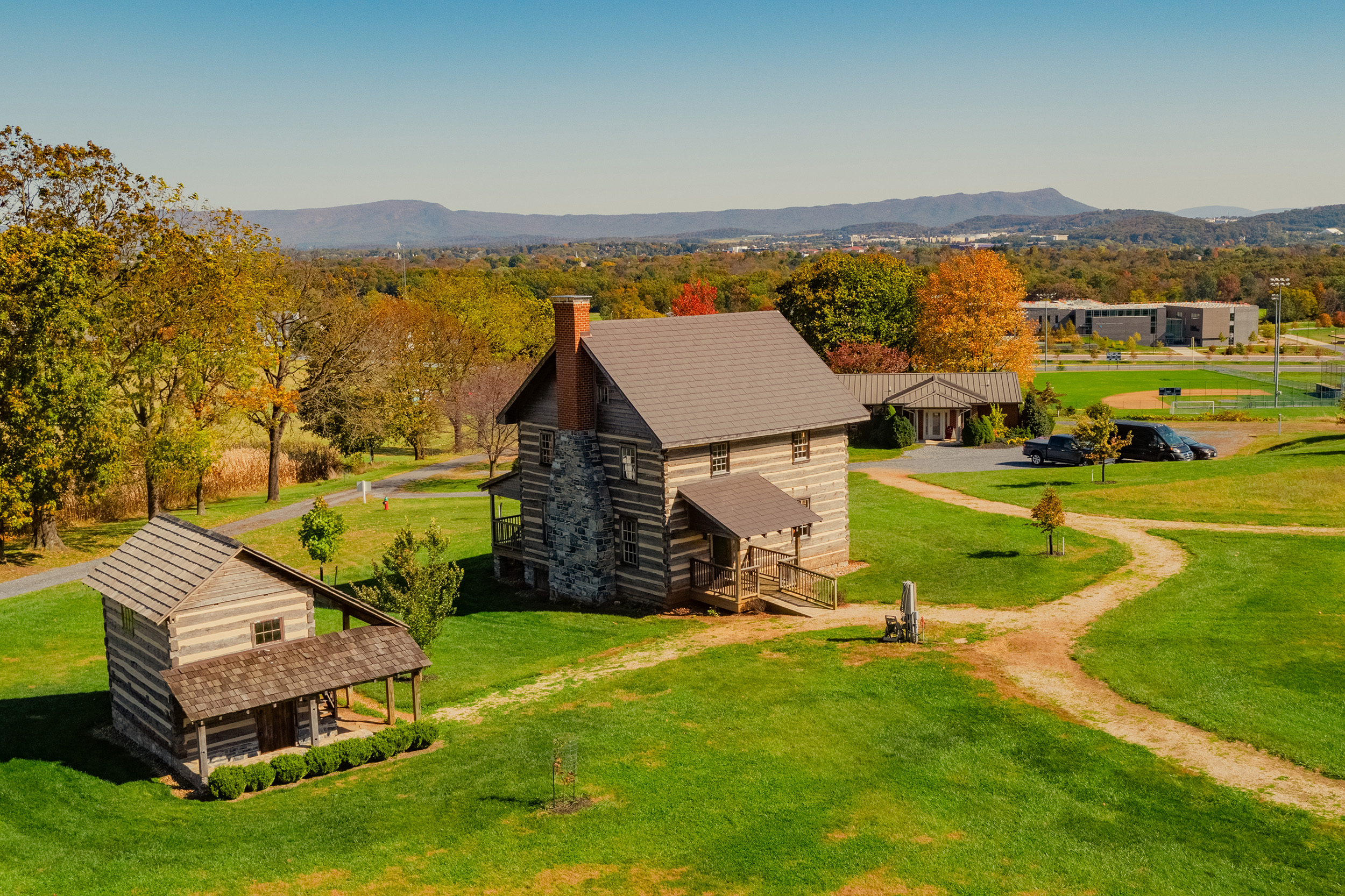
Driving the backroads of Rockingham County is like driving into the past. It’s a normal occurence to share the road with a horse and buggy, since the descendants of the Brethren and Mennonite families who arrived amongst the first wave of Germans are still here. The Brethren & Mennonite Heritage Center is a small heritage village with a collection of historic buildings telling the tale. Visit the 1854 Burkholder-Myers House, the 1790s shoemaker’s shop, and the 1904 Whitmer School – a one-room schoolhouse that also served as the Mennonite meeting house.
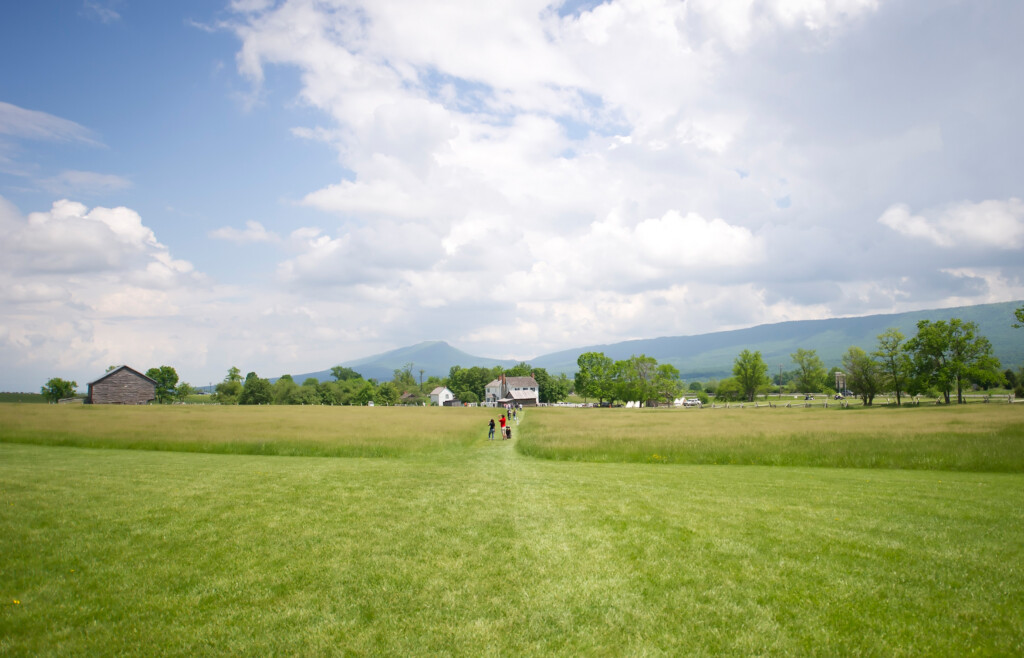
New Market Battlefield State Historical Park. Bushong Farm. Photo by Scott K. Brown and courtesy of Virginia Tourism Corporation.
New Market Battlefield | New Market
Visit hallowed ground with a stop at New Market Battlefield State Historical Park. It was there – at the Bushong Farm – that Breckinridge’s Confederate forces met Sigel’s Union army on May 15, 1864. Virginia Military Institute cadets – some as young as 15 years old – fought with Breckinridge’s army in the rain; ten lost their lives. The field was so saturated and muddy that their shoes were sucked from their feet. New Market Battlefield became known as The Field of Lost Shoes, and you can see the Emmy-winning film of the same name at the Virginia Museum of the Civil War near the battlefield. The Bushong farmhouse still stands and is open to visitors.

Belle Grove Plantation. Photo by Monty Aerials. Courtesy of Virginia Tourism Corporation.
Belle Grove Plantation | Middletown
There are two stories at Belle Grove. The first is about the more than 270 enslaved people who made the nearly 7,500-acre plantation profitable. The second is about the day the Civil War arrived.
The limestone manor house was built in 1797 for Isaac Hite Jr. and his wife Nelly Madison Hite – sister of James Madison. The plantation produced grain and livestock, and the people who made it so are highlighted in the Belle Grove permanent exhibit Unearthing Enslaved Lives at Belle Grove.
The Civil War came to Belle Grove’s front door at dawn on October 19, 1864. Union general Sheridan was encamped and Confederate general Early’s troops surprised them for a decisive victory. Sheridan used Belle Grove as his headquarters. Together, Belle Grove manor house and the battlefield are Cedar Creek & Belle Grove National Historical Park, and are open to the public.
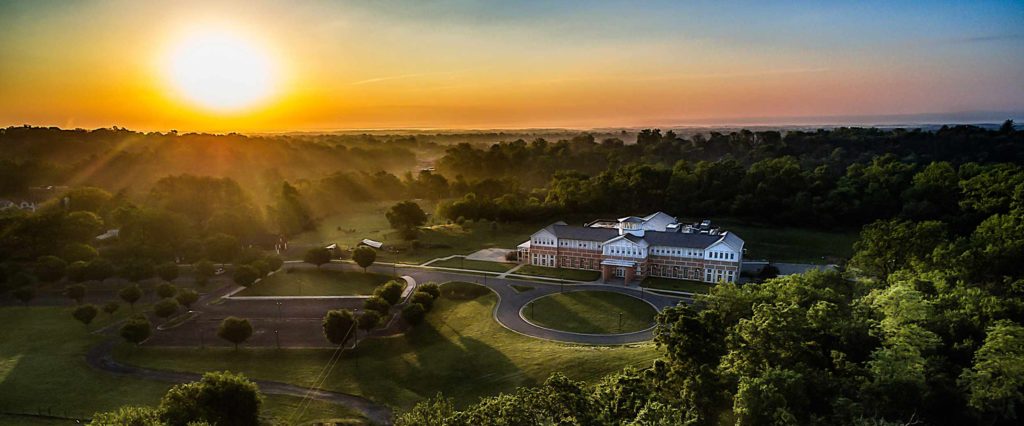
Museum of the Shenandoah Valley
Museum of the Shenandoah Valley | Winchester
Displayed at the Museum of the Shenandoah Valley are many pieces that tell the breadth of the Valley’s story. Glen Burnie, the darling gem of the property, dates to as early as 1790 is surrounded by seven acres of formal garden rooms. Inside the sprawling museum itself are rotating exhibits of permanent pieces as well as guest exhibitions. Don’t miss Revolutionary Valley (through winter 2028). It is part of America’s 250th anniversary celebrations.
George Washington’s Office Museum | Winchester
Wrap up your Shenandoah Valley history experience where George Washington’s political career began: Winchester.
After young Washington surveyed land in the Shenandoah Valley for Lord Fairfax in 1748, he commanded the Virginia Regiment during the French and Indian War. In 1755 and 1756, he oversaw construction of Fort Loudoun from a small log building. That building – his office – is still intact in downtown Winchester. It was from there that Winchester gave him his first elected position: the House of Burgesses, 1758.
There are certainly more places to dive deep into niches of Shenandoah Valley history. Enjoy the epic – historic – adventure ahead!
Header image: The Brethren & Mennonite Heritage Center. Photo by Sam Dean and courtesy of
Virginia Tourism Corporation.